
Modern life is busy. Most of us are overstimulated, overconnected, and lacking access to truly meaningful recovery. We move from screen to screen, obligation to obligation, rarely getting a genuine moment to slow down and hear ourselves think.
That isn’t a personal failing. It’s the default condition of modern life.
Float therapy is one of the most reliable ways we’ve found to intentionally hit pause.
Inside the tank, you float effortlessly in warm water saturated with Epsom salt, free from most external input and distraction. No phone. No notifications. No pressure to perform or produce. Just stillness. As the body settles, the nervous system often follows. The internal noise gets quieter. People frequently leave feeling lighter, calmer, clearer, and more grounded than when they walked in.
Some people come to float for stress and anxiety. Others for chronic pain, sleep, athletic recovery, creativity, meditation, or simply an hour where nothing is being asked of them. The reasons vary, but the pattern is familiar: people tend to feel better after a float. And for many, the benefits deepen with consistency.
Float Seattle was founded in 2012 with a simple mission: create spaces where people can truly unplug, reset, and reconnect with themselves.
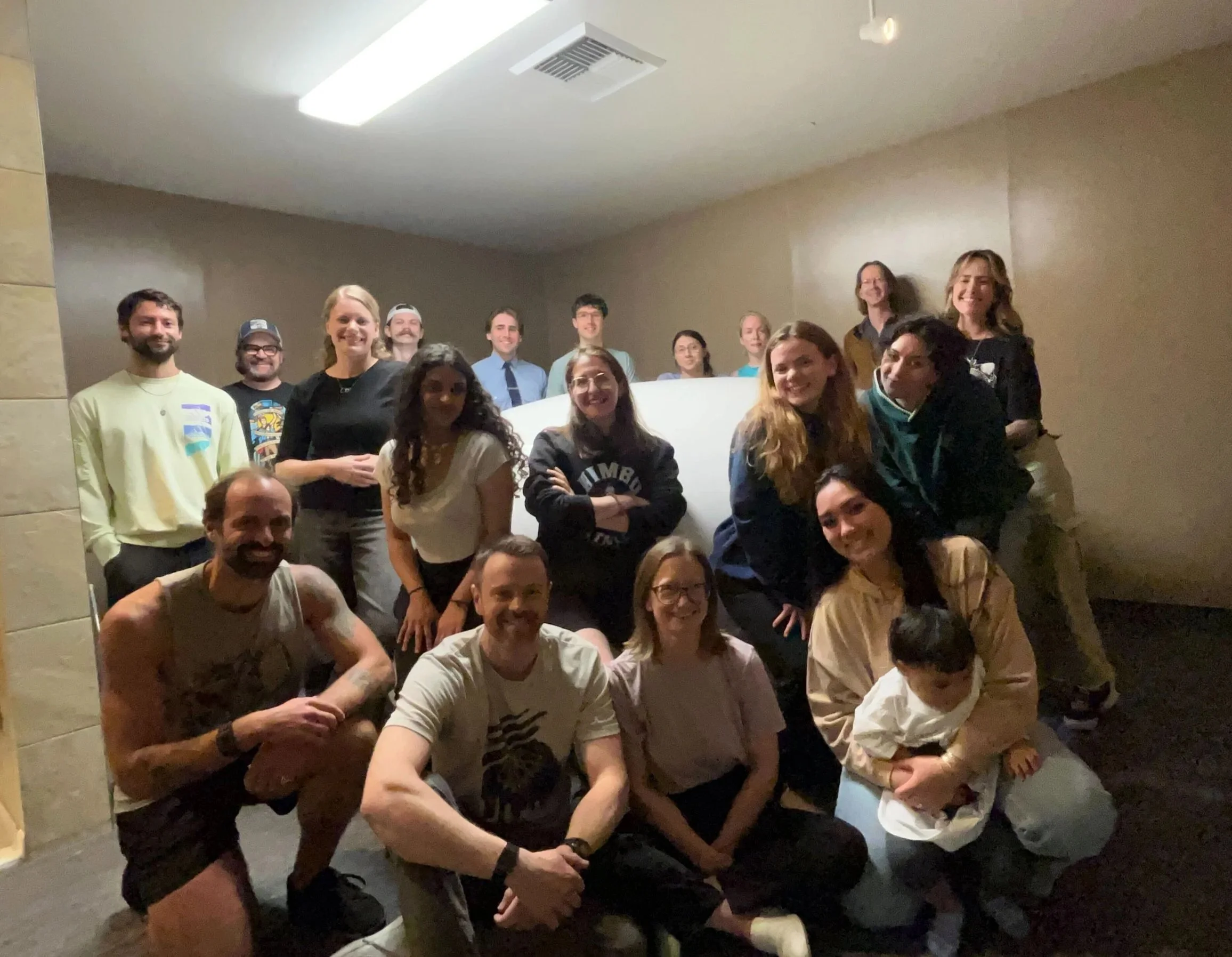
Today, we operate five studios across the Seattle area — Greenlake, Greenwood, South Lake Union, Bellevue, and Renton — supported by a team that genuinely believes in the work because we experience it ourselves. We float regularly, care deeply about the guest experience, and aim to provide environments that feel safe, clean, comfortable, and restorative from the moment you walk through the door.
Our job is simple: help people recover and find sanctuary amidst their busy modern lives, and leave with a little more clarity, capacity, and connection to themselves.
We’re here to lift you up.
OUR STORY
Seattle’s experts in float therapy since 2012
Meet Andrew
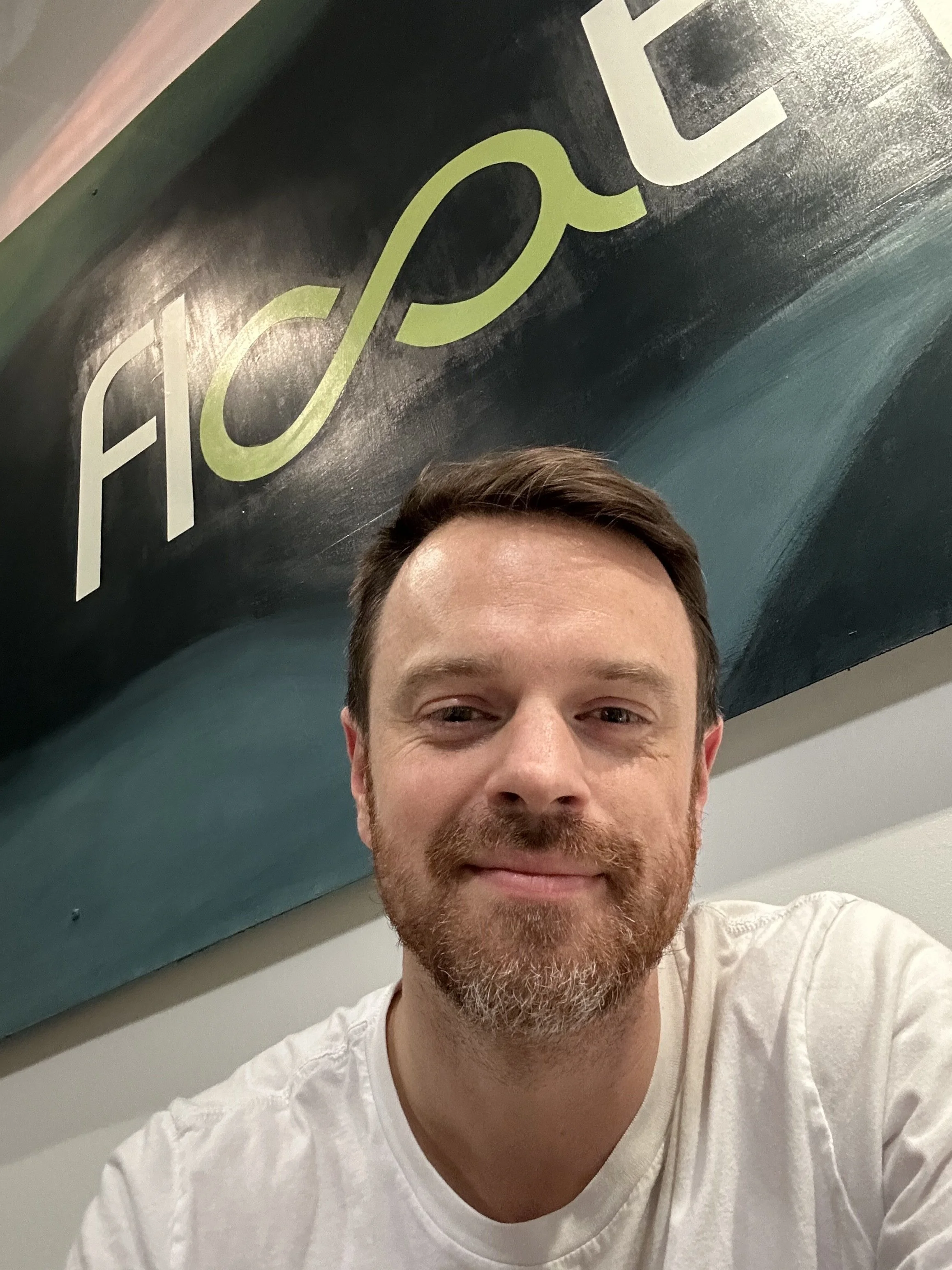
Hi, I’m Andrew. I run Float Seattle.
I had my first float in 2013 at Float Seattle’s original Greenlake studio. At the time, I was bartending, traveling, playing music, and trying to figure out what direction my life was actually headed. I was restless, dealing with some depression, and constantly comparing myself to where I thought I should be.
What I found in the tank surprised me.
For the first time in a long while, things got quiet enough for me to actually listen to myself. Floating gave me a sense of space I didn’t realize I was missing — mentally, emotionally, even creatively. I walked out feeling lighter than I had in months. By my third float, I was hooked.
As I kept floating, something slowly became clear: I wanted to build a life centered around being of service to others. Not long after, I left the restaurant industry and joined the Float Seattle team in 2015.
What started as a temporary gig quickly turned into something much bigger. I loved introducing people to floating and watching them reconnect with themselves in ways they didn’t expect. In 2018, I took over from the founders as a co-owner alongside Dean, a longtime member and float enthusiast. Since then, we’ve grown from two locations to five, navigated a pandemic, expanded into contrast therapy and sauna, and helped introduce thousands of people to floating.
Beyond the studios, we also install float tanks for private clients through our sister company, Float Wizards, have served on the board of the industry’s annual Float Conference, and continue supporting efforts to bring more awareness and legitimacy to float therapy within the broader wellness and medical world.
At the core of all of it is still the same belief that pulled me into floating in the first place: people need spaces where they can step away from the noise long enough to reconnect with themselves.
You don’t need experience with meditation or wellness practices to benefit from floating. You don’t need to be an athlete or have your life perfectly figured out. You just need curiosity and a willingness to slow down for an hour.
I still float every week myself. I still believe deeply in what it can do for people. And I hope you experience that for yourself someday.